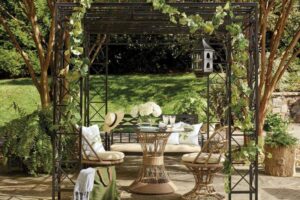
25+ Creative Garden Decor Ideas To Transform Your Outdoor Sanctuary
Have you ever stepped into a garden and felt instantly soothed, as if you’ve entered a secret world designed just for relaxation and joy? That magical feeling doesn’t happen by accident; it’s the result of thoughtful garden decor ideas that blend nature with artistry. Whether you have a sprawling backyard or a modest balcony, the right decorative touches can turn any outdoor space into a personal oasis. In this comprehensive guide, we’ll explore innovative, budget-friendly, and stunning ways to elevate your garden’s aesthetic, functionality, and emotional appeal. From timeless principles to trending hacks, get ready to reimagine your patch of earth.
Why Garden Decor Matters: More Than Just Pretty Plants
Garden decor is the soul of your outdoor space. While plants provide the living foundation, decorative elements add personality, structure, and seasonal interest. A well-decorated garden extends your living area outdoors, creating zones for dining, lounging, and meditating. According to a 2023 survey by the National Association of Landscape Professionals, 87% of homeowners report that a beautifully landscaped yard significantly improves their quality of life and property value. Beyond curb appeal, strategic decor can solve common problems: masking unsightly views, defining narrow paths, or adding height to flat terrain. Think of your garden as a canvas—plants are the colors, but decor is the brushstroke that completes the masterpiece.
Choosing a Cohesive Theme: The Foundation of Your Design
Before buying a single garden gnome, decide on a unifying theme. A consistent style prevents your space from looking haphazard and ensures every element feels intentional. Your theme should reflect your home’s architecture and your personal taste. For example, a modern farmhouse might suit rustic, reclaimed wood accents, while a sleek contemporary home calls for minimalist metal and stone sculptures.
Cottage Garden Charm
Embrace a romantic, informal look with climbing roses, weathered birdbaths, and vintage watering cans. Use a loose color palette of pastels—lavender, blush pink, soft yellow—and let plants spill over pathways. Add whimsy with a painted wooden bench or a wrought-iron trellis draped in clematis. The key is “controlled chaos”: abundance without mess.
Modern Minimalist Vibes
For a clean, sophisticated garden, focus on geometric shapes, monochromatic plantings, and architectural planters. Think concrete spheres, sleek steel edging, and a limited plant palette of ornamental grasses and sculptural succulents. A single, bold piece of outdoor art can serve as a focal point. Less is more here—every item must earn its place.
Rustic Country Feel
Channel a farmhouse aesthetic with repurposed materials: an old wheelbarrow as a planter, a wooden ladder for displaying potted herbs, or galvanized metal tubs for seasonal flowers. Incorporate natural materials like stone, untreated wood, and woven willow. Add cozy touches like a cast-iron fire pit and checkered fabrics for cushions.
Maximizing Space with Vertical Gardening
No matter how small your garden, vertical gardening unlocks unused space and adds dramatic visual interest. This technique involves growing plants on walls, fences, or freestanding structures, turning blank surfaces into living art.
Living Walls and Green Screens
A living wall—a panel of plants mounted vertically—can transform a bare fence or exterior wall. Systems range from pocket planters to modular trays. For beginners, start with a simple pocket planter hung on a sunny wall and planted with herbs or trailing annuals like petunias. For a permanent feature, consider a professional green wall system with built-in irrigation. Evergreen species like ivy or creeping fig provide year-round coverage, while seasonal flowers add pops of color.
Hanging Baskets and Elevated Planters
Don’t overlook the overhead space. Hanging baskets are perfect for porches and pergolas, filled with cascading plants like bacopa or sweet potato vine. Elevated planters on legs or stacked tiers draw the eye upward and make gardening easier on the back. Use a mix of thrillers (tall center plants), fillers (mounding plants), and spillers (trailing plants) for professional-looking containers. For a DIY twist, repurpose items like old colanders or wooden crates as hanging planters.
Illuminating Your Garden with Strategic Lighting
Lighting extends the usability of your garden into the evening and adds enchanting ambiance. The goal is to create a layered lighting scheme that highlights features without glare.
Solar-Powered Options for Eco-Friendly Glow
Solar lights are a game-changer for sustainable garden decor. They’re easy to install (no wiring needed) and cost nothing to run. Place solar stake lights along pathways, or use solar lanterns hung from trees. For a whimsical touch, try solar-powered fairy lights wrapped around a tree trunk or pergola. Newer models offer brighter, longer-lasting illumination—look for LEDs with separate solar panels for flexibility.
String Lights and Fairy Lights for Ambiance
No decor idea is as universally loved as string lights. Drape them over a patio umbrella, along a fence, or in a tree canopy to create a cozy, festive atmosphere. For a magical effect, use warm-white bulbs and cluster them densely. Fairy lights on a battery pack can be tucked into planters or glass jars for portable sparkle. Pro tip: Use outdoor-rated extension cords and timers to automate your display.
Incorporating Water Features for Serenity
The sound of moving water is inherently calming. A water feature adds a sensory layer—visual, auditory, and even tactile (if you include a shallow splash area)—that plants alone can’t provide.
DIY Fountains and Small-Scale Ponds
You don’t need a massive pond to enjoy water. A tabletop fountain made from a repurposed ceramic pot or a stacked stone column can fit on a patio table. For a larger impact, install a wall-mounted fountain or a small container pond using a pre-formed liner. Include a small pump to circulate water, and add plants like water lettuce or floating lotus for natural filtration. The gentle murmur masks street noise and attracts birds, enhancing biodiversity.
Birdbaths as Dual-Purpose Decor
A birdbath is both a functional water source for wildlife and a decorative accent. Choose a style that matches your theme—a concrete basin for rustic gardens, or a sleek copper bowl for modern spaces. Place it in an open area with nearby shrubs for bird cover, and keep the water fresh with a drip system or regular cleaning. In winter, consider a heated birdbath to support local birds.
Selecting Statement Furniture and Accessories
Furniture turns a garden from a view into a destination. Choose pieces that are both beautiful and durable, able to withstand sun, rain, and frost.
Creating Cozy Seating Zones
Define “rooms” in your garden with seating areas. A benched seating wall built from stone or brick doubles as a border and provides ample room for guests. For smaller spaces, a bistro set or a hanging swing chair adds charm without bulk. Cushions and throw pillows in weather-resistant fabrics introduce pattern and color. Arrange seating to frame a vista—like a sunset view or a prized flower bed—to encourage lingering.
Decorative Accents: Sculptures, Urns, and Wind Art
Accessories are the jewelry of your garden. A garden sculpture—whether classical, abstract, or playful—acts as a focal point. Place it at the end of a path or in a clearing to draw the eye. Urns and planters come in endless materials: terracotta for warmth, glazed ceramic for color, or fiberglass for lightweight durability. Wind art, like spinning pinwheels or metal wind chimes, adds movement and sound. Rotate seasonal accents (pumpkins in fall, evergreen wreaths in winter) to keep the space fresh.
Embracing Seasonal and Evergreen Interest
A four-season garden ensures year-round beauty. Plan for each season’s star elements to avoid a barren winter landscape.
Spring Bulbs and Summer Annuals
Spring-blooming bulbs like tulips and daffodils are the garden’s first cheerleaders. Plant them in clusters for impact, and tuck them among perennials so their foliage dies back discreetly. For summer, annual flowers provide continuous color—try heat-tolerant options like marigolds, zinnias, and coleus. Use them in containers to brighten patios and fill gaps in flower beds. Deadhead spent blooms to prolong flowering.
Winter Structure with Berries, Bark, and Evergreens
When leaves fall, winter interest takes center stage. Plant shrubs with colorful berries (like winterberry holly) or striking bark (such as red-twig dogwood). Evergreen shrubs and conifers provide year-round greenery and shelter for wildlife. Add structure with ornamental grasses that retain their plumes, or leave seed heads on perennials like coneflowers for birds and texture. A simple evergreen wreath on the front door extends the decor to your home’s exterior.
Sustainable and Eco-Conscious Decor Choices
Gardening sustainably isn’t just a trend—it’s a responsibility. Eco-friendly decor reduces waste, conserves resources, and supports local ecosystems.
Repurposing and Upcycling Household Items
Get creative with upcycled garden decor. Turn an old boot into a whimsical planter, use a discarded ladder as a vertical shelf for potted plants, or transform a bathtub into a raised herb garden. Painted tires make excellent planters for potatoes or flowers. Not only does this save money, but it also keeps items out of landfills. Search thrift stores or flea markets for unique items like enamelware basins or vintage tools to repurpose.
Choosing Locally Sourced and Natural Materials
Opt for decor made from renewable or recycled materials. Bamboo is a fast-growing, sustainable option for screens or furniture. Reclaimed wood from old barns or fences adds character without new harvesting. Locally sourced stone supports regional artisans and reduces transport emissions. Avoid plastic decorations when possible; instead, choose natural materials like rattan, jute, or ceramic that biodegrade or can be reused.
Budget-Friendly DIY Projects for Every Skill Level
You don’t need a big budget to make a big impact. DIY projects allow for customization and save money while adding a personal touch.
Easy Weekend Projects: Painted Rocks and Tin Can Planters
Start simple: painted garden rocks with inspirational words or cute bugs can line pathways or nestle among plants. All you need are smooth stones, acrylic paint, and a sealant. For tin can planters, clean and paint empty cans, drill drainage holes, and fill with herbs or annuals. Group several together for a cohesive look. These projects are perfect for kids and can be completed in an afternoon.
Intermediate Builds: Pallet Furniture and Garden Markers
For the handy DIYer, pallet furniture is a popular choice. Disassemble wooden pallets (ensure they’re heat-treated, not chemically treated) and reassemble into benches, coffee tables, or vertical planters. Sand and seal with outdoor-grade finish. Another useful project: garden markers made from painted sticks, old spoons, or slices of wood. Label your herbs and vegetables with waterproof paint or a wood-burning tool. These small details add charm and functionality.
Common Garden Decor Mistakes to Avoid
Even with great ideas, pitfalls can derail your design. Here’s what to watch for:
- Overcrowding: Leave enough space for plants to mature and for walkways to be navigable. A cluttered garden feels chaotic.
- Ignoring Scale: A tiny sculpture will get lost in a large yard; an oversized planter can overwhelm a small patio. Proportion is key.
- Forgetting Function: Beautiful decor should also be practical. Avoid placing fragile items in high-traffic areas or sharp-edged furniture where kids play.
- Lack of Maintenance: Choose materials suited to your climate. Some metals rust, some woods rot, and some fabrics fade. Research durability before purchasing.
- No Focal Point: Every garden needs a “wow” moment—a striking plant, a water feature, or a piece of art—to anchor the space.
Bringing It All Together: Your Personal Garden Sanctuary
Now that you’re armed with garden decor ideas, the most important step is to begin. Start small: pick one corner or one theme element and experiment. Remember, gardens evolve over time—they’re never “finished.” The goal is to create a space that brings you joy, reflects your personality, and connects you with nature. Mix high and low, old and new, grand and subtle. Let your garden tell your story.
Final Takeaways for Stunning Garden Decor
- Start with a plan: Sketch your space, note sun patterns, and choose a theme before shopping.
- Layer your elements: Combine plants, furniture, lighting, and accents for depth.
- Prioritize comfort: Ensure seating is inviting and pathways are clear.
- Embrace imperfection: Handmade and repurposed items add soul.
- Update seasonally: Rotate plants and accessories to keep the garden dynamic.
Your garden is more than a plot of land—it’s an extension of your home and a sanctuary for your well-being. With these garden decor ideas, you have the tools to craft an outdoor haven that delights the senses, supports the environment, and becomes your favorite place to be. So grab your gloves, unleash your creativity, and watch as your ordinary yard transforms into an extraordinary retreat. The only limit is your imagination.