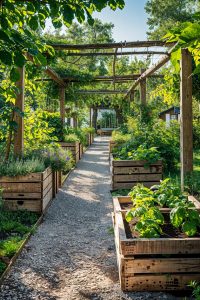
Rustic Gardens: Your Complete Guide To Creating A Natural, Timeless Oasis
Have you ever dreamed of stepping into a garden that feels like a hidden fairy tale, where wildflowers dance in the breeze, bees hum lazily over lavender bushes, and every path seems to invite a slower pace? This is the heart of a rustic garden—a deliberate embrace of natural beauty, imperfection, and the charming chaos of the wild. In a world of manicured lawns and geometric precision, rustic gardens offer a soulful retreat, a place where nature is gently guided rather than rigidly controlled. But what exactly makes a garden "rustic," and how can you transform your own outdoor space into this enchanting, low-maintenance sanctuary? This comprehensive guide will walk you through every step, from the historical roots of the style to practical, actionable tips for cultivating your own slice of pastoral paradise.
The Enduring Allure of Rustic Gardens: More Than Just a Trend
Rustic gardens are not a fleeting Instagram fad; they are a profound response to our modern disconnect from the natural world. At their core, they reject the sterile, high-maintenance aesthetic of traditional landscaping in favor of a naturalistic, wildlife-friendly approach. Think of them as the horticultural equivalent of a cozy, well-worn sweater—comforting, authentic, and full of character. This style draws inspiration from centuries-old cottage gardens of Europe, where practicality met poetry. Historically, these gardens were packed with useful plants—herbs, vegetables, and fruit trees—intermingled with beloved flowers, creating a vibrant, productive jumble. The English landscape garden movement of the 18th century further idealized the "natural" landscape, with rolling lawns, serpentine lakes, and picturesque groves of trees designed to look like untouched nature, a radical departure from the formal French gardens of the era.
Today, the resurgence of rustic gardening is fueled by several powerful trends. Sustainability is a primary driver; these gardens require less water, fewer chemicals, and provide crucial habitat for pollinators and birds. There's also a growing mental health awareness—gardening itself is therapeutic, and a rustic garden's soft, flowing lines and sensory abundance (sights, scents, sounds) amplify this restorative effect. Furthermore, in an age of digital saturation, people crave authentic experiences and connections to the land. A rustic garden offers a tangible, evolving project that teaches patience and rewards observation. It’s a statement against perfection, celebrating instead the beautiful cycles of growth, decay, and regeneration. Understanding this philosophy is the first and most important step in your rustic gardening journey.
Defining the Rustic Aesthetic: Key Characteristics and Core Principles
Before you grab a shovel, it's crucial to internalize what sets a rustic garden apart. It’s not simply "messy" or "unplanned." It is a curated naturalism, where every element feels right at home in the landscape. The primary principle is informality. You won't find symmetrical planting beds, clipped hedges in strict rows, or a single variety of plant repeated in a regimented fashion. Instead, think clusters, drifts, and colonies. Plants are allowed to mingle, spill over edges, and self-seed in unexpected but delightful spots. The layout should feel serendipitous, as if the garden has gently grown into its space over decades.
Another cornerstone is the use of humble, weathered materials. Forget glossy, modern composites. Rustic gardens champion reclaimed wood, weathered stone, wrought iron, and brick. A bench made from old railway sleepers, a pergola of gnarled branches, a path of irregular flagstones set in sand or gravel—these elements tell a story and blend seamlessly with the planting. Hardscaping is kept simple and functional, often blending into the background. The focus remains on the plants and the overall feeling. Finally, wildlife integration is non-negotiable. A true rustic garden is a living ecosystem. It includes plants that provide nectar, seeds, and berries; features like a bird bath, a bug hotel, or a pond; and avoids pesticides that harm beneficial insects. This creates a dynamic, ever-changing environment that is alive with activity.
Designing Your Rustic Sanctuary: From Concept to Layout
Translating the rustic ethos into a tangible design requires thoughtful planning, even if the final look is effortless. Begin with a site analysis. Spend a season simply observing your space. Where does the sun fall? Where are the damp, shady corners? What is your soil type? This knowledge is your most powerful tool for selecting plants that will thrive with minimal intervention, a key to the low-maintenance promise of rustic gardens. Next, define your "rooms" and vistas. Even in a small space, you can create a sense of journey. Use existing elements like a large tree as a focal point, or create a hidden seating nook around a bend in a path. The goal is to evoke a feeling of discovery and enclosure.
For pathways, avoid straight lines. Opt for gentle curves and meandering routes that invite a slower pace. Materials are key here: gravel (especially self-binding gravel that compacts), mulch (wood chips for woodland feels), stepping stones set in grass or moss, or brick laid in a random pattern. Let paths soften at the edges, allowing plants like creeping thyme or mind-your-own-business to colonize the cracks. Vertical structure is essential for adding year-round interest. Incorporate arbors draped with climbing roses, honeysuckle, or clematis. Use obelisks for climbing sweet peas or beans. A simple, weathered pergola can define a seating area and provide a framework for vines. Containers should also feel rustic: use terracotta pots, old metal buckets, wooden barrels, or woven baskets. Group them in odd numbers and allow plants to spill over the rims.
Plant Palettes: Selecting for Texture, Form, and Wildlife
Plant selection is where the rustic soul truly comes alive. The mantra is "right plant, right place." Choose hardy, resilient perennials that form long-lived clumps. Excellent foundational plants include:
- Grasses:Miscanthus, Pennisetum, Stipa. They provide movement, texture, and winter structure.
- Herbaceous Perennials:Echinacea (coneflower), Rudbeckia (black-eyed Susan), Sedum (stonecrop), Achillea (yarrow), Nepeta (catmint). These are drought-tolerant, long-blooming, and beloved by pollinators.
- Shrubs:Viburnum, Hydrangea (especially the hardy, lacecap varieties), Spiraea, Weigela. They offer multi-season interest—spring flowers, summer foliage, fall color, and winter stems.
- Climbers:Climbing roses (especially old roses like Rosa 'Gertrude Jekyll'), honeysuckle (Lonicera periclymenum), clematis (like the tough C. vitalba or C. montana), and ivy (Hedera helix) for walls and structures.
Crucially, embrace native plants. They are the backbone of local ecosystems, requiring the least resources and supporting the widest range of native wildlife. Research plants indigenous to your region—a native plant society is an invaluable resource. Also, invite self-seeders like Papaver (poppy), Nigella (love-in-a-mist), and Aquilegia (columbine). These "volunteers" create the charming, random drifts that define the style. Don't fight them; gently edit where they become too dominant. Finally, include evergreens for winter backbone: yew (Taxus), boxwood (Buxus) in informal shapes, holly, and scented evergreens like Viburnum tinus.
Building the Rustic Framework: Hardscape and Ornament
The bones of your garden—its paths, structures, and decorative touches—must feel aged and purposeful. Reclaimed materials are your best friend. Scour salvage yards for old bricks, weathered timber, slate, and cobblestones. A rustic arch made from bent willow or reclaimed iron instantly sets a tone. A simple seat crafted from a single slice of a large tree trunk (a "tree cookie") becomes a sculptural focal point. Water is a magical element in any garden, and in a rustic setting, it should feel natural. A dishes bird bath set on a mossy stone, a small pond with a pebbled, irregular edge, or even a hidden, recirculating rill (a narrow stream channel) adds sound, reflection, and wildlife appeal.
Garden ornaments should be sparse and meaningful. A single, weathered terracotta pot planted with a single, elegant grass. A vintage metal watering can tucked by a door. A handcrafted wooden sign with a plant name. Avoid mass-produced plastic decor. Lighting should be soft and functional: lanterns on posts, string lights draped through trees, or solar-powered path lights set low in the gravel. The goal is to enhance the atmosphere at dusk, not to illuminate like a stadium. Remember, in rustic design, less is almost always more. Each hardscape element should earn its place by being beautiful, useful, and harmonious with the surroundings.
A Practical, Step-by-Step Guide to Creating Your Rustic Garden
Ready to get your hands dirty? Follow this phased approach for a stress-free build.
Phase 1: Observation and Planning (Months 1-3)
- Document your site: Take photos throughout the day and across seasons. Note sun/shade patterns, wind exposure, and drainage.
- Soil test: A simple kit tells you pH and nutrient levels. This informs your plant choices and any needed amendments.
- Sketch a bubble diagram: Don't worry about scale. Draw circles for planting areas, paths, seating, and focal points. Think about how you'll move through the space.
- Source materials: Start hunting for reclaimed stone, wood, and gravel. This can take time.
Phase 2: Site Preparation and Hardscape (Months 4-6)
- Clear only what's necessary: In a rustic garden, you're not starting from a blank slate. Preserve existing mature trees, shrubs, and interesting landforms.
- Build the bones first: Install paths, patios, structures (arbors, pergolas), and any water features. This prevents damage to plantings later.
- Edging: Use simple, informal edging like timber sleepers, cobblestones, or even a deep trench to define lawn from bed. Let it be slightly wobbly.
Phase 3: Planting (Ideally in Spring or Fall)
- Start with structure: Plant your trees, large shrubs, and climbers on structures first. They are the permanent framework.
- Layer your planting: Follow the " thriller, filler, spiller" concept used in containers, but on a garden scale. Tall "thrillers" (grasses, vertical perennials) at the back or center, mid-height "fillers" (shrubs, bushy perennials) in the middle, and low "spillers" (groundcovers, trailing plants) at the front to soften edges.
- Plant in groups: Use odd numbers (3, 5, 7) of the same plant for a natural look. Place them in loose drifts or clusters, not single-file rows.
- Include "placeholder" plants: Fast-growing, temporary plants like sunflowers or borage can fill gaps while slower perennials mature.
- Water deeply at planting and mulch immediately with shredded bark, compost, or gravel (depending on plant type) to suppress weeds and retain moisture.
Phase 4: The Patience Phase (Ongoing)
- Let it settle: Resist the urge to fill every gap immediately. Some of the best rustic gardens are born from patience, allowing plants to grow and self-seed.
- Edit, don't overhaul: Each spring, walk through and thin out overcrowded plants, remove any true weeds, and maybe move a plant that isn't happy. This is gardening by subtraction, not constant addition.
- Embrace the cycle: Allow seed heads to stand through winter for bird food and architectural interest. Cut back in late winter/early spring.
Maintaining the "Neglected" Look: Effortless Care Strategies
The beauty of a rustic garden is that its maintenance is fundamentally different from a formal garden. It’s about working with nature, not against it. Mulching is your single most powerful tool. A thick layer (3-4 inches) of organic mulch (wood chips, compost) applied annually suppresses weeds, feeds the soil, and retains moisture, drastically reducing watering and weeding time. Water deeply but infrequently to encourage deep, drought-resistant roots. Embrace a little mess. Leave fallen leaves in shrub beds as natural mulch. Let dried flower heads stand. This provides winter habitat for insects and seeds for birds.
Weed control is proactive, not reactive. Mulch does the heavy lifting. Hand-weed when the soil is damp, and get the entire root. Pruning is minimal and purposeful. Instead of shearing hedges into blocks, practice "thinning"—removing entire branches at the base to open up the plant's form. Renewal pruning of older shrubs (cutting a third of the oldest stems to the ground each year) keeps them vigorous. Lawns are often reduced or replaced with meadow areas or groundcovers like creeping thyme or clover, which require mowing only a few times a year. The goal is to spend time enjoying the garden, not just working in it.
Common Pitfalls and How to Avoid Them
Even the most well-intentioned rustic garden can veer off course. Here are the most common mistakes:
- The "Just One More Plant" Syndrome: The urge to fill every space immediately leads to overcrowding and a cluttered look. Solution: Plant with the plant's future size in mind. Use temporary "filler" plants and be patient. It's better to have a few well-spaced, thriving plants than a crowded, struggling jungle.
- Over-Pruning into Formality: The instinct to tidy up can strip away the natural, billowing character. Solution: Step back before you prune. Ask, "Am I maintaining health and shape, or am I imposing a rigid form?" Prune to enhance a plant's natural habit, not change it.
- Ignoring Invasive Species: Some beautiful, vigorous plants (like Japanese knotweed, bamboo, or purple loosestrife) can become ecological disasters. Solution:Know your invasive species list for your region. Never plant known invasives. Be ruthless in removing them if they appear.
- Poor Soil Preparation: Even rustic plants need decent soil to establish. Solution: At planting, amend the backfill soil with compost if your native soil is poor. But avoid creating a "fertility bubble" that encourages weak growth. The goal is to improve the soil ecosystem over time.
- Lack of Year-Round Structure: A garden that's all summer bloom can look bleak in winter. Solution: Plan for winter interest with evergreen shrubs, grasses with striking seed heads (like Miscanthus), colorful bark (like Cornus dogwood), and architectural stems (like Phlomis).
The Profound Benefits: Why a Rustic Garden is Good for You and the Planet
The rewards of a rustic garden extend far beyond its pretty face. Ecologically, it is a powerhouse. By using native plants and avoiding pesticides, you create a pollinator paradise for bees, butterflies, and hoverflies. A single rustic garden can support dozens of bird species with seeds, berries, and insect life. It promotes soil health through mulching and plant diversity, increasing carbon sequestration and water retention. For you, the benefits are deeply personal. The "biophilic" connection—our innate attraction to nature—is maximized in a space that feels wild and immersive. Studies show that even brief exposure to such environments can lower cortisol (stress hormone) levels, reduce blood pressure, and improve mood and cognitive function.
The low-input nature is a major practical benefit. Reduced mowing, minimal watering (once established), and no need for chemical fertilizers or pesticides save you significant time, money, and physical strain. This makes gardening accessible to more people, including those with physical limitations or busy schedules. Furthermore, a well-executed rustic garden can increase property value. It signals a property that is well-cared-for in a sophisticated, sustainable way, appealing to buyers who value lifestyle and environmental consciousness. Ultimately, a rustic garden is an investment in a healthier lifestyle and a healthier planet, one seed at a time.
Inspiring Case Studies: Rustic Gardens in Action
Let's see these principles in real spaces.
The Small Urban Cottage Garden: A 20' x 30' backyard in a city uses vertical space to the max. A reclaimed wood arbor covered in fragrant clematis and sweet pea creates a green ceiling. The path is stepping stones set in creeping thyme. Planting is in dense, curved beds filled with lavender, salvia, dwarf grasses, and edible herbs like rosemary and thyme spilling over. A vintage metal washtub holds a tomato plant and nasturtiums. The entire space feels like a secret room, bursting with scent and buzzing with bees, yet requires only an hour of weekly maintenance.
The Large Rural Meadow Garden: On an acre of former pasture, the owners replaced monoculture lawn with a native wildflower meadow mix. Mown pathways of grass wind through the sea of color—coneflowers, black-eyed Susans, milkweed, and native grasses. Groups of oakleaf hydrangeas and viburnums provide seasonal structure at the woodland edge. A naturalistic pond with a pebble beach attracts dragonflies and frogs. A simple, wide gate of woven willow marks the entrance. Maintenance is a single late-winter mow of the meadow and minimal pruning of shrubs. It’s a wildlife haven that requires little more than annual observation.
Conclusion: Cultivating Your Own Rustic Spirit
Creating a rustic garden is not about achieving a perfect picture from a magazine. It is a process, a partnership with nature, and a personal expression. It begins with a shift in mindset—from controller to collaborator. Start small. You don't need an acre. A single large container filled with a clump of fountain grass, a lavender bush, and some trailing creeping Jenny can be a miniature rustic vignette. Observe relentlessly. Notice which plants the bees love, where the shade falls in July, how the morning light hits a dewy spiderweb. These are your guides.
Embrace the beauty of imperfection: the bent stem, the hole in a leaf (evidence of life!), the seedling popping up in a crack. Let your garden tell a story of resilience, adaptation, and quiet beauty. By choosing the rustic path, you are not just designing a space; you are nurturing an ecosystem, reclaiming your time, and building a daily sanctuary that grounds you in the natural world’s rhythms. So, take that first step. Pick up a piece of weathered stone, plant a hardy native grass, and begin. Your timeless, soul-nourishing rustic garden awaits, growing more beautiful with each passing, unmanicured season.