Rustic Garden Shed: Your Ultimate Guide To Charm, Functionality & DIY Magic
Have you ever wandered through a garden and felt an instant pull toward a small, charming outbuilding that looks like it’s been part of the landscape for a century? That’s the magic of a rustic garden shed. It’s more than just a storage unit; it’s a character-filled extension of your home and a sanctuary within your own backyard. But what exactly transforms a simple shed into a rustic gem, and how can you create or choose one that feels authentic, functional, and deeply personal? This guide will walk you through every consideration, from the soul of rustic design to the practicalities of permits and plumbing, ensuring your garden shed becomes a beloved feature of your outdoor space.
What Truly Makes a Garden Shed "Rustic"? Defining the Timeless Appeal
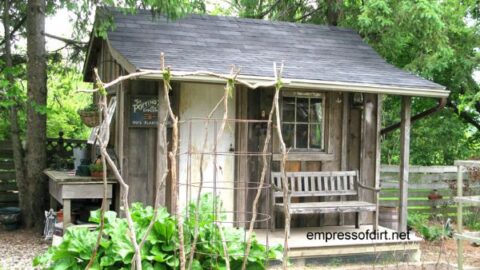
The term "rustic" is often used loosely, but in the context of garden sheds, it points to a specific aesthetic and ethos. At its core, a rustic garden shed celebrates imperfection, natural materials, and a sense of history. It rejects the sleek, uniform lines of modern storage in favor of a look that feels organic, weathered, and gently worn. This style evokes a simpler, more connected-to-nature feeling, reminiscent of a countryside potting shed or a mountain cabin.
The Pillars of Rustic Design: Materials and Texture
The foundation of any rustic shed is its material palette. Think reclaimed wood with its saw marks, nail holes, and varying grain patterns. Rough-hewn timber, often with the bark still attached in places, creates a stunning, textural facade. Cedar and redwood are popular choices not just for their rustic grain but for their natural resistance to rot and insects. For roofs, corrugated metal in a weathered patina or cedar shakes that curl and gray with age are quintessential. Even stone or fieldstone foundations or accents can anchor the structure to the earth, enhancing that timeless, built-by-hand feel. The key is to let the natural character of the materials shine through, avoiding overly polished finishes.
Embracing Wabi-Sabi: Beauty in Imperfection
A rustic shed tells a story. A slightly uneven door, a hinge that squeaks, a patch of moss on a shaded corner—these aren’t flaws; they’re features. This philosophy aligns with the Japanese concept of Wabi-Sabi, finding beauty in the imperfect, impermanent, and incomplete. When planning your shed, consider how it will age. Will the wood silver gracefully? Will the roof develop a soft patina? Designing for this natural aging process ensures your shed becomes more charming, not less, with each passing year.
Choosing the Right Materials for Longevity and Character
Selecting materials is the first major step in building or buying a rustic garden shed. Your choices will dictate not only the look but also the lifespan, maintenance requirements, and environmental impact.
Solid Wood vs. Engineered Wood: The Core Debate
Solid timber is the gold standard for authenticity. A shed framed and sided with boards like pine, spruce, or Douglas fir offers genuine rustic appeal. However, it requires more maintenance—regular staining or sealing to protect against moisture and UV damage. Engineered wood, such as pressure-treated plywood or oriented strand board (OSB) with a wood-grain veneer, is more affordable and dimensionally stable but can look less authentic and may not age as gracefully. For a true rustic look that lasts, investing in high-quality, sustainably sourced solid wood is often worth the extra cost and care.
The Allure of Reclaimed and Salvaged Materials
There is no material with more soul than reclaimed wood. Sourced from old barns, factories, or demolished buildings, each beam and plank carries history. Using reclaimed timber for your shed’s frame, siding, or interior beams creates an instant heirloom quality. It’s also an exceptionally sustainable building practice, diverting material from landfills and reducing the demand for new lumber. When sourcing reclaimed wood, ensure it’s been properly cleaned, de-nailed, and kiln-dried to eliminate pests and stabilize the material.
Roofing and Flooring: Functional Foundations
A rustic roof is a statement piece. Corrugated galvanized steel in a dark bronze or muted gray offers a fantastic contrast to warm wood and develops a beautiful, non-uniform rust pattern over time. Cedar shingles are the classic choice, offering a soft, organic look that blends seamlessly with garden surroundings. For flooring, a simple gravel bed is cost-effective and excellent for drainage. For a more finished feel, pressure-treated plywood covered with outdoor-grade carpet or interlocking deck tiles can work. For ultimate rustic authenticity, consider a packed earth or flagstone floor, though these require more preparation to ensure stability and drainage.
Designing Your Dream Rustic Shed: Form Meets Function
A beautiful shed that doesn’t meet your needs is a missed opportunity. The design phase is where you blend aesthetic dreams with practical reality.
Determining Purpose and Layout
First, define the primary function. Is it for garden tool storage (shovels, hoses, pots)? A potting shed with a workbench and sink? A she-shed or man-cave for hobbies and relaxation? Or a combination space with storage and a small sitting nook? Sketch a simple floor plan. Allocate wall space for hanging tools (consider a pegboard wall for ultimate flexibility). Include a dedicated work surface. If you plan to spend time in there, think about windows for light and ventilation, and perhaps a small wood-burning stove or electric heater for cooler months.
Architectural Details That Sell the Rustic Look
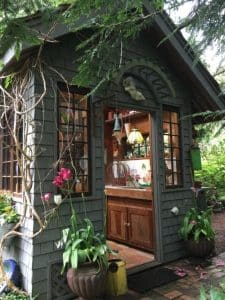
Small details make a massive impact. Opt for a board-and-batten or clapboard siding style over modern panels. Use decorative hinges and a heavy-duty, iron or blacksmith-style door handle. Consider a pent roof (a single sloping roof) or a simple gable with a modest overhang. Cupolas or ventilators on the roof add charming vertical interest. Window boxes filled with trailing flowers soften the edges. A porch or even just a simple overhang supported by brackets creates an inviting, sheltered entry.
Blending with the Landscape: Siting Your Shed
Placement is crucial for both function and aesthetics. Position your shed where it’s easily accessible from the garden but doesn’t dominate key views from your house. A shed nestled under a large tree can look magical but be mindful of root systems and leaf litter. Consider the path to the shed—a simple stepping stone or gravel path adds to the journey. Ensure the foundation is level and that the ground slopes away slightly to prevent water pooling around the base.
DIY vs. Professional Build: Which Path is Right for You?
Building a rustic shed yourself is a rewarding project, but it’s not for everyone. Here’s how to decide.
The DIY Route: Pride, Customization, and Cost Savings
If you have basic carpentry skills, a shed kit or building from plans can be a fantastic project. DIY allows for complete customization—you choose every board, every hinge. It can also be more affordable if you source your own materials, especially reclaimed wood. The pride of saying "I built that" is unparalleled. However, be realistic about the time commitment (a simple shed can take 2-4 weekends), the need for tools (circular saw, drill, level, etc.), and your skill level. Mistakes in framing or roofing can lead to costly and frustrating fixes.
Hiring a Pro: Expertise, Speed, and Peace of Mind
A professional carpenter or shed builder brings speed, precision, and experience. They navigate building codes and permit processes seamlessly, which is a huge advantage. They have access to wholesale materials and specialized tools. This is the best route for complex designs, large sheds, or if you lack the time, tools, or confidence. To find the right person, get multiple quotes, check references and portfolios (look for rustic work specifically), and ensure they are licensed and insured. A good pro will collaborate with you to achieve your rustic vision.
The Hybrid Approach: Best of Both Worlds
Many homeowners find success with a hybrid approach. You handle the site preparation, foundation, and perhaps the interior finishing (shelving, insulation, plaster), while hiring a pro for the complex structural framing and roofing. This can save money while ensuring the critical, weather-tight elements are done correctly.
Navigating Legalities: Zoning, Permits, and HOA Rules
This is the least glamorous but most critical step. Ignoring regulations can lead to forced removal, fines, or problems when you sell your home.
Understanding Local Zoning Laws and Setbacks
Zoning ordinances dictate where you can place a shed on your property. Key rules include:
- Setbacks: How far the shed must be from your property lines (side, rear, and sometimes front). These can range from 3 feet to 15 feet.
- Lot Coverage: The maximum percentage of your lot that can be covered by structures, including your shed.
- Height Restrictions: Many areas limit accessory structures to a certain height, often 12-15 feet.
- Easements: You cannot build on utility or drainage easements.
Do You Need a Building Permit?
This varies wildly by municipality. A building permit is typically required for any structure over a certain square footage (often 100-200 sq ft) or with a permanent foundation. Even a small shed on skids may need a permit in some strict jurisdictions. Always call your local building department before you buy or build. They can tell you exactly what’s required. The permit process ensures your shed meets basic safety standards for structural integrity and, in some areas, wind or snow load.
Homeowners Association (HOA) Considerations
If you live in a community with an HOA, their rules can be even stricter than the city’s. They will have regulations on:
- Exterior color and materials (e.g., "must be painted white" or "no metal roofs").
- Size and height.
- Placement (often more restrictive than city setbacks).
- Landscaping around the shed.
Review your HOA’s architectural guidelines thoroughly and submit any required applications for approval before you break ground. Getting written approval is your only protection against future disputes.
Bringing Your Rustic Shed to Life: Interior and Organization
The interior is where your shed transitions from storage to a true extension of your living space.
Insulation and Comfort: Year-Round Usability
If you plan to use your shed in extreme heat or cold, insulation is non-negotiable. Rigid foam board is moisture-resistant and great for walls and roof. Fiberglass batts are cost-effective but must be installed perfectly and covered with a vapor barrier. For a rustic interior look, consider shiplap or beadboard paneling over the insulation. This adds charm and a finished surface. Weatherstripping around the door and a threshold seal are cheap, easy upgrades that dramatically improve comfort and keep pests out.
Clever Storage Solutions for Gardeners and Makers
Maximize every inch with smart storage:
- Wall-Mounted Systems: Pegboards, slat walls with hooks, and French cleats allow for endless configuration for tools, bikes, and equipment.
- Overhead Storage: Heavy-duty hooks or racks from the ceiling joists are perfect for storing long-handled tools (rakes, shovels), ladders, or seasonal items like Christmas lights.
- Built-in Benches with Storage: A potting bench with drawers or a seat that lifts to reveal hidden storage is a dual-purpose dream.
- Magnetic Tool Strips: Keep metal tools organized and within easy reach on a wall.
- Shelving: Adjustable metal shelving units are strong and flexible. For a rustic look, build simple shelves from 2x4s and reclaimed planks.
Lighting and Electricity: Illuminating Your Space
Natural light from windows is ideal, but for evening use, you’ll need artificial light. A simple solar-powered LED strip or a battery-operated lantern might suffice for occasional use. For regular use, consider running a dedicated electrical circuit from your house (this almost always requires a permit and a licensed electrician). A few overhead LED puck lights or a shop light can transform the space. If you add outlets, you can power a small heater, a radio, or charging stations for tools.
Maintenance and Care: Ensuring Your Shed Ages Gracefully
A rustic shed is an investment in long-term enjoyment. Proper maintenance ensures it remains a asset, not a liability.
Seasonal Maintenance Checklist
- Spring: Clear debris from roof and gutters. Check for winter damage (loose shingles, cracked boards). Inspect the foundation for settling or cracks. Clean windows. Touch up paint or stain as needed.
- Summer: Keep vegetation (vines, shrubs) trimmed away from walls to prevent moisture retention and pest highways. Check for signs of insects (termites, carpenter ants).
- Fall: Clean gutters again before winter. Ensure the door and any windows seal properly. Store outdoor cushions or fabrics.
- Winter: In snowy climates, safely remove heavy snow from the roof to prevent collapse. Check for ice dams. Ensure any water supply lines are drained and insulated.
Protecting Against the Elements and Pests
Water is the enemy of any wooden structure. Ensure your roof is in good repair and that water is directed at least 6 feet away from the foundation via downspouts or grading. Apply a high-quality, breathable stain or sealant every 3-5 years, depending on your climate and the product. For pest control, keep the shed clean and clutter-free (pests love hiding in stored cardboard boxes). Store firewood away from the shed. Consider placing cedar chips in corners as a natural repellent for moths and insects. Regularly inspect for entry points and seal them with caulk or steel wool.
Frequently Asked Questions About Rustic Garden Sheds
Q: How big should a rustic garden shed be?
A: This is entirely dependent on your needs. A minimum of 8x10 feet is comfortable for basic storage. A 12x16 foot shed allows for a dedicated workbench and storage without feeling cramped. Always consider your future needs—it’s better to have a little extra space than to outgrow it in two years.
Q: What is the best foundation for a rustic shed?
A: For a truly rustic look and good drainage, a gravel pad (4-6 inches of compacted, crushed stone) is excellent for sheds on skids or a timber frame. For a more permanent structure, concrete piers or a slab provide maximum stability. The foundation must be level and slightly larger than the shed footprint to support the walls.
Q: Can I put a rustic shed on a slope?
A: Yes, but it requires more sophisticated foundation work (like stepped piers or a retaining wall) to create a level building surface. This increases cost and complexity but can result in a stunning, integrated landscape feature.
Q: How much does a rustic garden shed cost?
A: The range is enormous. A basic pre-fab metal or vinyl shed starts around $1,000. A custom-built timber shed from a professional can range from $5,000 to $25,000+ depending on size, materials (reclaimed wood adds cost), and complexity. A DIY kit with premium materials might cost $2,000-$4,000 in materials.
Q: What are the best rustic colors for a shed?
A: Earth tones reign supreme. Think warm whites, creams, soft grays, mossy greens, navy blues, and burnt siennas. These colors complement natural surroundings and weather beautifully. A dark color (like forest green or charcoal) can make a small shed recede visually and hide dirt better.
Conclusion: More Than a Shed, It's a Legacy
A rustic garden shed is ultimately about more than square footage or storage capacity. It’s about creating a point of interest, a functional piece of art, and a personal retreat that reflects your connection to nature and your own hands-on spirit. Whether you build it yourself with reclaimed beams from a local barn, commission a local carpenter to bring your vision to life, or painstakingly restore a vintage find, the process imbues the structure with meaning. It becomes a backyard landmark, a quiet corner for potting plants or tinkering on a project, a visual anchor that ties your garden beds together, and a testament to the enduring appeal of simple, well-crafted things. By focusing on authentic materials, thoughtful design, and respecting the practical rules of your locality, you can build or choose a rustic garden shed that won’t just store your tools—it will store memories, inspire creativity, and stand as a charming, functional legacy in your outdoor space for decades to come.