Garden Decoration Ideas: Transform Your Outdoor Space Into A Personal Paradise
Have you ever stepped into a garden and felt instantly transported—where the air smells sweeter, the colors seem more vibrant, and every corner holds a delightful surprise? That magical feeling isn't reserved for grand botanical estates or magazine spreads. It’s the result of thoughtful garden decoration ideas that blend artistry with nature. Whether you have a sprawling backyard, a modest patio, or just a sunny balcony, the way you adorn your outdoor space profoundly impacts your daily life. It becomes an extension of your home, a sanctuary for relaxation, a stage for entertaining, and a canvas for your creativity. But where do you begin? The journey from a simple patch of green to an enchanting outdoor room starts with vision, a few key principles, and the courage to experiment. This guide will walk you through a comprehensive transformation, unlocking the potential of your garden with practical, beautiful, and achievable decoration strategies.
Assess Your Garden's Personality: The Foundation of Flawless Design
Before you buy a single plant or pick out a pot, the most critical step in any successful garden decoration project is to understand your space. This foundational assessment saves time, money, and heartache. It’s about listening to what your garden is telling you about its own unique character and potential.
Understanding Your Space's Shape, Sunlight, and Soil
Every garden has a physical language. Start by mapping the sunlight patterns throughout the day. Which areas are bathed in full sun (6+ hours), which enjoy gentle morning light, and which remain in deep shade? This dictates what plants will thrive and where you can place seating for comfort. Next, observe the soil type—is it sandy, clay-heavy, or loamy? This affects drainage and plant health. Don’t forget to note the microclimates: a wind-swept corner, a damp spot near a downspout, or a heat-reflecting wall. These nuances are your design clues. For example, a hot, dry wall is perfect for sun-loving, drought-tolerant herbs like rosemary or lavender, while a shady, moist nook might host ferns and hostas. Measuring your space’s exact dimensions is also crucial for planning furniture layouts, pathways, and the scale of decorative elements. A tiny statue lost in a vast lawn or an oversized planter crammed on a small patio creates imbalance. Use a tape measure and sketch a simple base plan, marking existing features like trees, sheds, and utilities.
Defining Your Garden's Purpose and Mood
A garden can be many things: a productive vegetable plot, a tranquil meditation zone, a lively entertaining hub, or a wildlife haven. Your primary purpose will guide every decorative choice. Ask yourself: How do I want to feel out here? Energized, serene, playful, or inspired? This desired mood translates into design elements. A serene, contemplative garden might feature soft curves, a muted color palette of blues and whites, gentle water sounds, and secluded nooks. A vibrant entertaining space calls for bold colors, ample seating, durable surfaces, and perhaps a focal point like a fire pit or outdoor kitchen. Consider your lifestyle. Do you have young children or pets? Prioritize safe, soft-landing surfaces and avoid toxic plants. Are you a low-maintenance gardener? Opt for perennial structure, artificial grasses, and self-watering containers. Defining this purpose early creates a cohesive vision, preventing a cluttered, disjointed result where decorations feel random rather than intentional.
The Power of Color: Painting Your Garden Canvas
Color is the most immediate and emotional tool in your garden decoration arsenal. It can alter perception of space, set a mood, and create stunning visual harmony or exciting contrast. Mastering color theory in gardening elevates your design from simple planting to artistic composition.
Creating a Cohesive Color Palette
Instead of picking plants solely by their individual flower colors, think in palettes. A cohesive scheme creates a sense of calm and sophistication. A monochromatic palette uses varying shades of a single color, like a garden of whites and creams (white roses, astilbes, and variegated foliage). This is elegant and restful. A analogous palette uses colors adjacent on the color wheel, such as yellows, oranges, and reds, which blend harmoniously and feel warm and energetic. For a more dramatic look, employ complementary colors (opposite on the wheel, like purple and yellow or blue and orange). These create high contrast and vibrant energy, perfect for focal points. Don’t forget the neutral foundation provided by foliage, stone, wood, and gravel. The myriad greens—from lime to deep forest—are your canvas. Silver-leaved plants like dusty miller or lamb’s ear act as neutral "brushes" that soften bold flower colors. A pro tip: use a color wheel app or pull paint chips from a hardware store to visualize your combinations before planting.
Seasonal Color Transitions and Foliage Focus
A truly dynamic garden considers all four seasons. Relying solely on spring bulbs leaves a barren winter. Plan for a sequential bloom—spring bulbs, summer perennials, fall asters and chrysanthemums, and winter berried shrubs or colorful bark (like red-twig dogwood). Equally important is foliage as permanent color. Plants with striking leaves provide constant interest. Think of the deep purple of Heuchera (coral bells), the gold of Aureum ivy, the zebra stripes of Albostriata hosta, or the architectural silver of Artemisia. Foliage also provides texture—the fine, feathery leaves of Cosmos versus the broad, glossy leaves of Hosta. By combining plants with different leaf shapes, sizes, and shades, you create a rich tapestry that remains beautiful even when flowers fade. Incorporate evergreens like boxwoods, junipers, or ornamental grasses for year-round structure and a "skeleton" upon which seasonal color can play.
Plant Selection: Beyond the Bloom for Texture and Form
While flowers are the showstoppers, the most sophisticated gardens are built on a foundation of plant form and texture. This layering creates depth, dimension, and visual intrigue that captivates up close and from a distance.
Texture and Form as Design Elements
Plant form refers to a plant’s overall shape: pyramidal (like a dwarf Alberta spruce), mounding (like a Spiraea), spiky (like an ornamental grass), or trailing (like a Scaevola). A well-designed border uses a mix of forms to avoid monotony. A classic formula is "thriller, filler, spiller" for containers: a vertical thriller (like a Cordyline), a mounding filler (like Petunias), and a trailing spiller (like Ivy). This same principle applies to garden beds. Texture is about the surface quality of leaves and stems—fine and feathery (like Fennel), coarse and bold (like Rudbeckia), glossy (like Magnolia), or fuzzy (like Lamb’s Ear). Placing a fine-textured plant next to a bold-textured one makes both pop. For example, the delicate fronds of a Japanese maple contrast beautifully with the large, paddle-shaped leaves of a Hosta. This contrast is what makes a garden feel lush and professionally designed.
Incorporating Edible Beauty: The Ornamental Edible Garden
Who says vegetables can’t be decorative? The ornamental edible garden is a massive trend that marries beauty with utility. Many edibles boast stunning foliage, flowers, and fruit. Kale varieties like 'Peacock' or 'Redbor' offer dramatic, colorful leaves that hold all winter. Swiss chard with its bright rainbow stems is a vibrant addition. Artichokes are architectural powerhouses with their silvery leaves and thistle-like flowers. Herbs like purple basil, silver thyme, or golden oregano add scent, texture, and color to pots and borders. Fruit trees like columnar apples or espaliered pears create living sculptures. The key is to integrate them aesthetically. Plant a row of frilly-leaved lettuce as a border edge. Use a strawberry jar as a centerpiece. Train vines like grapes or kiwi on a decorative trellis. This approach maximizes space, provides fresh food, and challenges the notion that a garden must be purely ornamental to be beautiful.
Furniture and Layout: Crafting Outdoor Rooms
Your garden is an additional living space. Just as you wouldn’t place a sofa randomly in your living room, thoughtful furniture placement and zoning transforms your garden from a collection of plants into a series of functional, inviting outdoor rooms.
Zoning Your Garden for Different Activities
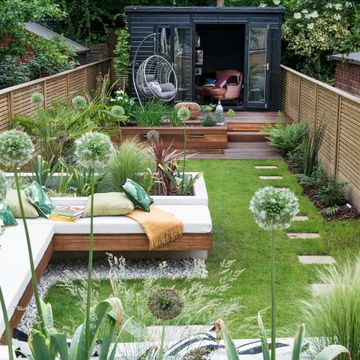
Think in terms of zones. A typical garden might have: a dining zone (near the house, with a table and chairs on a patio or deck), a lounging zone (a secluded spot with a chaise lounge or hammock, perhaps under a tree), a cooking zone (near a grill or outdoor kitchen), a play zone (a lawn area for games), and a contemplation zone (a quiet bench with a view). Use hardscaping and planting to define these spaces without walls. A change in paving material (from brick to gravel), a low hedge, a row of tall grasses, or a pergola can subtly signal a transition from one zone to another. For example, a curved pathway of stepping stones leading through a border of perennials creates a sense of journey and discovery, separating the main lawn from a hidden seating nook. Ensure pathways are wide enough for comfortable passage (at least 24-30 inches for a single person) and consider sight lines. Do you want a view from your kitchen window to be a focal point? Frame it with a beautiful container or specimen plant.
Choosing Durable and Stylish Materials
Outdoor furniture is an investment. Material choice dictates longevity, maintenance, and style. Teak is the gold standard—naturally oily, resistant to rot and insects, and ages to a beautiful silvery patina. Aluminum (powder-coated) is lightweight, rust-proof, and modern. Wrought iron is classic and sturdy but can rust if not properly finished; it’s heavy and best for permanent settings. Wicker/rattan (synthetic resin is best for durability) offers a relaxed, casual look. Concrete and stone are permanent, heavy, and perfect for table tops or bench seats in a modern setting. Consider comfort and scale. A tiny bistro set on a large deck feels lost; a massive sectional on a small patio overwhelms. Always test furniture for comfort before buying. Cushions add color and comfort but must be made of outdoor-grade fabric (solution-dyed acrylic) that resists fading, stains, and mildew. Don’t forget storage—have a plan for cushions and furniture in winter (a shed, garage, or quality covers).
Lighting: The Magic After Dark
Garden decoration doesn’t stop at sunset. Strategic lighting extends the usability of your space into the evening, creates drama, enhances safety, and adds a touch of magic. It’s the difference between a flat, dark yard and a luminous nighttime oasis.
Types of Garden Lighting and Their Uses
Use a layered lighting approach, just like indoors. Ambient lighting provides overall illumination. This can be achieved with string lights (the undisputed champions of creating a festive, warm glow), globe lights on poles, or low-voltage landscape lighting mounted on the house. Task lighting is for specific activities: a brighter light over a dining table or cooking area, or a path light to safely illuminate walkways. Accent lighting (also called spot or highlight lighting) is the artist’s tool. Use it to dramatically uplight a beautiful tree, silhouette a sculptural shrub against a wall, or wash a fence with a soft glow. Downlighting from trees or structures mimics moonlight and creates a natural, dappled effect. String lights are incredibly versatile; they can be draped through tree branches, along a fence, or above a seating area to create a canopy of stars. For a modern look, consider linear LED lights embedded in steps or along the edge of a patio.
Solar vs. Electric: Pros, Cons, and Placement
The two main power sources are solar-powered and low-voltage electric. Solar lights are easy to install (no digging or electrician needed), energy-efficient, and portable. Their drawbacks are variable brightness (depends on sun exposure) and often less intense light. They are perfect for path accents, small decorative stakes, and string lights in sunny spots. Low-voltage electric systems (12V) are brighter, more reliable, and more versatile. They require a transformer plugged into a GFCI outlet and buried cables, making installation more involved but worth it for permanent, dramatic lighting. A pro tip: use warm white bulbs (2700K-3000K) for a cozy, inviting feel. Avoid cool white (5000K+), which feels clinical and harsh in a garden. Placement is key. Avoid blinding glare. Hide light sources behind plants or under eaves. Light paths from the side or low to the ground to prevent tripping but minimize direct eye-level brightness. Illuminate features from an angle to create texture and shadow.
Water Features and the Sound of Serenity
The gentle murmur of water is universally calming. A water feature is the ultimate sensory garden decoration, adding movement, sound, and a cooling microclimate. It becomes a natural focal point and wildlife magnet.
Selecting the Right Water Feature for Your Space
The options range from grand to miniature. A pond (in-ground or above-ground) with fish and plants creates a full ecosystem. It requires more space and maintenance but offers immense reward. A stream or waterfall can be built into a slope or recirculated over a stone wall, adding dynamic sound and movement. For smaller spaces, consider a wall fountain (perfect for patios), a bubbling urn (a self-contained pot with a central water spout), or a tabletop fountain. Even a simple birdbath with a dripper provides the sound of trickling water. When choosing, consider scale and style. A formal, tiered marble fountain suits a classical garden; a rough, stacked-stone waterfall fits a naturalistic setting. Maintenance is a crucial factor. Ponds require filtration, algae control, and fish care. A small, sealed fountain with a pump is much lower maintenance. Always ensure the feature has a proper liner and pump and that you have a safe electrical source (a GFCI-protected outlet) for the pump.
Maintenance Tips for Longevity and Clarity
A neglected water feature becomes a mosquito breeding ground and an eyesore. Regular maintenance is non-negotiable. For ponds: remove decaying leaves regularly, clean filters according to manufacturer instructions, and consider adding biological filters (beneficial bacteria) and oxygenating plants (like anacharis) to maintain water clarity naturally. For fountains: clean the pump and basin every 2-4 weeks, especially in warm weather, to prevent algae and scale buildup. Use a soft brush and mild vinegar solution (for mineral deposits) or a specialized fountain cleaner. In winter, drain and cover or bring indoor fountains to prevent freeze damage. Ensure the water level is always above the pump intake to prevent burnout. A well-maintained water feature is a joy for years, providing a soundtrack of serenity that masks city noise and attracts birds and butterflies, further animating your decorated space.
Vertical Gardening: Thinking Upward to Maximize Space
When ground space is limited, or you simply want to add another dimension to your design, vertical gardening is your secret weapon. It’s about using walls, fences, trellises, and structures to grow plants upward, dramatically increasing your planting area and creating living walls of art.
Living Walls and Green Facades
A living wall (or vertical garden) is a panel or structure mounted on a wall with pockets or modules filled with soil and plants. Systems range from sophisticated felt-pocket panels to simple pocket planters or hanging shoe organizers. They are perfect for adding lush greenery to a blank patio wall, garage side, or balcony rail. Green facades use climbing plants trained on a trellis, fence, or wall-mounted wire system. This is a more natural, often lower-cost approach. Choose vines based on sun exposure and desired coverage speed. Annual vines like morning glories or sweet peas provide quick, seasonal color. Perennial vines like clematis, honeysuckle, or ivy offer permanent structure. For a edible twist, grow vining vegetables like pole beans, peas, or even certain varieties of tomatoes and cucumbers on a sturdy trellis. Vertical gardens require consistent watering (drip irrigation systems are ideal for large installations) and good drainage. They also need regular feeding since nutrients leach out quickly in shallow pockets.
Hanging Gardens and Tiered Planters
Don’t overlook the space above your head. Hanging baskets and macrame plant hangers are classic vertical decor. Use them on porch beams, from tree branches, or on shepherd’s hooks. Mix trailing plants (like petunias, bacopa, and sweet potato vine) with a central thriller (like a geranium or fuschia) for a full, cascading look. Tiered planters and plant stands create a vertical display on the ground. A simple step ladder repurposed as a plant stand holds multiple pots at different heights, adding instant architectural interest. Wall-mounted pots and window boxes are essential for small spaces. The key to successful vertical planting is ensuring the structure can support the weight of wet soil and plants and that plants receive adequate light. Group plants with similar water and sun needs together in the same vertical system to simplify care.
Sustainable and Eco-Friendly Garden Decor
Modern garden decoration increasingly embraces sustainability—beautiful design that respects the environment. This approach reduces waste, conserves resources, and creates a healthier ecosystem right in your backyard.
Recycled and Upcycled Garden Art
One person’s trash is your garden’s treasure. Upcycling gives old items new life as unique garden decor. Turn vintage suitcases into a stacked plant stand. Use old tires (painted bright colors) as raised beds or planters. Repurpose tin cans as herb markers or small pot covers. Wine bottles can be buried neck-down as edging or cut into funnels for watering. Broken ceramic dishes become mosaic tiles for stepping stones or tabletops. Wooden pallets are incredibly versatile—stand them upright as a vertical planter, lay them horizontally as a bench base, or use them as a rustic raised bed frame. The charm of upcycled items is their story and uniqueness. Always ensure safety: clean items thoroughly, avoid anything that might leach chemicals (like treated wood with arsenic), and ensure structural stability. This approach is budget-friendly and reduces landfill waste, making your garden both beautiful and conscientious.
Water Conservation Through Design
In an era of climate uncertainty, water-wise gardening (xeriscaping) is a crucial decorative consideration. It’s not about cacti and gravel alone; it’s about creating a lush, beautiful garden that sips water. Key strategies include: grouping plants with similar water needs (hydrozoning) so you don’t overwater drought-tolerant plants to satisfy a thirsty one. Using mulch (wood chips, bark, gravel) heavily around plants to retain soil moisture and suppress weeds. Installing a rain barrel to collect runoff from downspouts for watering—these barrels can be decorative themselves. Choosing native plants adapted to your local climate, which require minimal supplemental water once established. Incorporating hardscaping like permeable pavers that allow rainwater to soak into the ground rather than run off. Designing swales or rain gardens—depressions planted with water-tolerant species—to capture and absorb runoff from your property. These elements become integrated parts of your garden’s decoration, proving that sustainability and style are perfect partners.
Seasonal Decor: Keeping Your Garden Fresh Year-Round
A static garden is a forgotten garden. Seasonal decorating keeps your outdoor space dynamic, relevant, and full of delightful surprises throughout the year. It’s about embracing nature’s cycles and adding temporary, changeable elements that reflect the season’s spirit.
Spring and Summer Vibrance
Spring is about renewal and celebration. Decorate with colorful, temporary accents: pastel-colored garden stakes, pinwheels, or a whimsical birdbath. Plant spring bulbs in containers that can be moved to the front porch. Add fresh mulch and new container plants to perk up tired winter beds. Summer is for abundance and relaxation. Think vibrant, bold colors—red, orange, yellow. Use patio umbrellas or canopies for shade and color. Hang wind chimes for gentle sound. String festive lanterns or battery-powered fairy lights in trees for evening ambiance. Seasonal container gardens are your best friend: a pot of vibrant annuals in spring (pansies, snapdragons), switched to heat-loving summer blooms (geraniums, marigolds, petunias) by June. Incorporate summer fruits as decor—a bowl of lemons on a table, a strawberry jar on the patio.
Autumn and Winter Interest
Fall decor focuses on harvest and rich hues. Use pumpkins and gourds of all sizes and colors—arranged on steps, in a wheelbarrow, or grouped on a table. Add corn stalks and bales of hay for rustic texture. Plant chrysanthemums and ** ornamental kale** in containers for long-lasting color. Fall foliage from trees like maples or viburnums can be gathered and displayed in a vase. Winter is about structure, light, and quiet beauty. Highlight the architectural bones of your garden: the bark of red-twig dogwood or coral bark maple, the seed heads of coneflowers and grasses left standing for birds, the evergreen shapes of boxwoods or junipers. Add evergreen boughs (pine, fir) to pots and railings. Winter containers are essential—use a "thriller, filler, spiller" formula with evergreens (spruce tips, boxwood), berried branches (winterberry, beautyberry), and interesting twigs (red twig dogwood, curly willow). Holiday lights take on a special magic in winter, when darkness falls early. Keep them up past the holidays for extra cheer. A simple bird feeder becomes both decor and a vital food source, attracting lively cardinals and chickadees to brighten gray days.
DIY Projects to Personalize Your Space
The most cherished garden decorations are often those made by hand. DIY projects infuse your space with personality, save money, and provide a deep sense of accomplishment. They range from simple afternoon crafts to weekend undertakings.
Simple Projects for Beginners
Start with painted garden markers. Use flat stones, paint them with acrylics, and seal with outdoor varnish to label your herbs and vegetables. Create mosaic stepping stones from broken ceramics or glass tiles set in concrete forms—a stunning, personalized path. Tin can lanterns are effortless: fill a clean can with water, freeze it, punch holes in a pattern with a hammer and nail, let the ice melt, and place a candle inside. Painted terracotta pots in bold colors or patterns can revitalize old, drab containers. Bird feeders from pine cones rolled in peanut butter and seed, or from recycled plastic bottles, are fun for all ages. Garden globes (the mirrored, stained-glass kind) can be made by adhering broken mirror pieces or glass gems to a styrofoam ball with mosaic glue. These projects require minimal tools and skill but make a significant decorative impact.
Advanced DIY for the Skilled Crafter
For the experienced maker, consider building a custom raised bed from cedar or redwood. Design it with a bench top on one side for seating. Construct a pergola or arbor to define a space and support climbing plants. Create a living wall system from a reclaimed wooden pallet—staple landscape fabric to the back, fill with soil, and plant succulents or herbs in the slats. Hand-carve garden signs from cedar or redwood slabs. Build a stone or brick fire pit—a ultimate gathering spot. Craft a water feature from a repurposed ceramic pot, a small pump, and a basin. Weld or forge metal garden sculptures. These larger projects become heirloom pieces, anchoring your garden’s design for decades. Always prioritize safety, check local building codes for structures like fire pits or pergolas, and use weather-resistant materials and finishes. The investment of time and skill yields a uniquely personal and stunning result.
Conclusion: Your Garden, Your Masterpiece
Garden decoration is not about following rigid rules or achieving perfection. It is a personal, evolving dialogue between you and your outdoor space. It begins with understanding your garden’s unique conditions and your own desires for the space. From there, you build layer upon layer: the foundational structure of plants chosen for form and foliage, the functional beauty of furniture and zones, the sensory enchantment of light and water, the upward expansion of vertical gardens, and the conscious choices of sustainable materials. You weave in the changing tapestry of the seasons and sprinkle in the personal touches of DIY creations.
The most important garden decoration idea is to start. Begin with one corner, one container, one small project. Observe how the light falls, how the space feels, and let your intuition guide you. Don’t be afraid to experiment, move things around, and learn from what thrives and what doesn’t. Your garden should tell your story, reflect your taste, and bring you joy. Whether your style is formal and structured, wild and natural, cozy and cottage-like, or sleek and modern, the principles remain the same: plan with purpose, layer with texture and color, and create spaces that invite you to linger. So, step outside, see your garden with new eyes, and begin decorating. Your personal paradise awaits.