Transform Your Backyard: 20 Creative Raised Bed Garden Ideas For Every Space
Have you ever stared at your backyard, dreaming of a lush, productive garden but discouraged by rocky soil, persistent weeds, or back-breaking labor? What if you could completely bypass these common gardening headaches and design a beautiful, high-yield oasis tailored exactly to your space and needs? The secret lies not in wishing for better ground, but in building up. Backyard garden ideas with raised beds are revolutionizing how we grow food and flowers, turning even the most challenging plots into thriving ecosystems. This comprehensive guide will unpack everything you need to know, from the fundamental "why" to inspiring, actionable designs you can start building this weekend.
The Undeniable Advantages: Why Choose Raised Beds?
Before diving into specific designs, it's crucial to understand why raised beds are more than just a trend—they're a smarter way to garden. The benefits cascade from the soil up, impacting everything from plant health to your personal enjoyment.
Superior Drainage and Soil Structure
One of the most significant advantages is improved drainage. In-ground gardens can become waterlogged, suffocating plant roots and promoting rot. Raised beds, especially when filled with a custom soil mix, allow excess water to drain freely while retaining enough moisture for healthy growth. This aerated environment encourages roots to explore deeply and widely, leading to stronger, more resilient plants. You're not at the mercy of your native soil's clay-heavy or sandy composition; you create the perfect loamy foundation from day one.
Complete Control Over Your Growing Medium
Think of your raised bed as a giant, customizable pot. You have absolute control over the soil quality and composition. No more guessing about pH levels or nutrient deficiencies. You can blend the ideal mix of topsoil, compost, and other amendments tailored to specific plants—like a sandy blend for carrots or a rich, organic-heavy mix for tomatoes. This control eliminates the years-long process of amending poor native soil and delivers immediate, dramatic results in plant vigor and yield.
Ergonomic Gardening and Reduced Maintenance
Let's talk about the physical perks. Raised beds bring the garden to you, significantly reducing the need to bend, kneel, and stoop. This is a game-changer for gardeners with mobility limitations or anyone wanting to protect their knees and back. Furthermore, the defined borders create a natural barrier against walking on the soil, preventing compaction. Weeds are also easier to manage, as the contained space and initial use of weed-free soil mean fewer invaders to begin with, and those that do appear are simpler to pull from loose, friable earth.
Extended Growing Season and Pest Management
The soil in raised beds warms up faster in the spring, allowing for earlier planting and a longer harvest window. In the fall, it retains heat longer, potentially extending your growing season by several weeks. The vertical sides also offer a simple opportunity to attach row covers, netting, or hoops for pest and frost protection, creating a mini-greenhouse effect with minimal effort.
Choosing Your Materials: The Foundation of Your Design
The material you select for your raised bed frame defines its aesthetic, longevity, cost, and even its impact on soil health. Here’s a breakdown of the most popular options.
Classic and Versatile: Untreated Wood
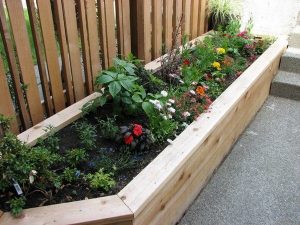
Cedar, redwood, and fir are top choices for their natural resistance to rot and insects. While more expensive upfront, they can last 10-20 years. Avoid pressure-treated lumber (especially older types containing arsenic) for edible gardens, as chemicals can leach into soil. Modern "ACQ" or "CA-B" treated woods are considered safer but many organic gardeners prefer to avoid them. Pro tip: Line the inside of any wood bed with a food-grade plastic barrier to prolong life and prevent direct soil-to-wood contact.
Modern and Durable: Metal and Corrugated Steel
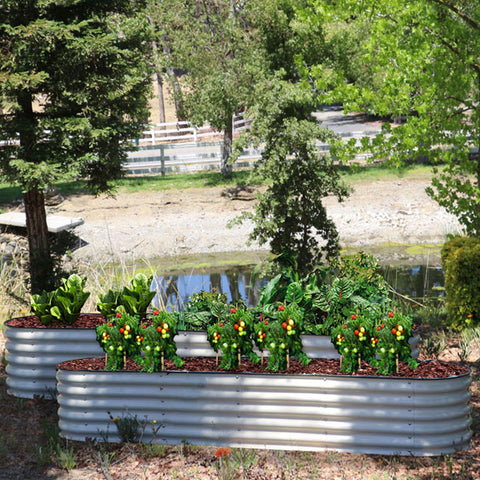
Galvanized steel or corrugated metal beds offer a sleek, contemporary look and are incredibly long-lasting. They don't rot and are resistant to pests. They heat up quickly in sun, which can be a pro (earlier soil warming) or a con (potential for soil to dry out faster). Ensure the metal is galvanized or powder-coated to prevent rust. These are excellent for sharp, geometric designs and urban settings.
Economical and Accessible: Fabric and Plastic
Fabric raised beds (like "Smart Pot" or "Grow Bags") are porous, providing excellent aeration and root pruning, which prevents circling roots. They are lightweight, inexpensive, and can be moved. However, they have a shorter lifespan (3-5 years) and can be less structurally rigid. Simple plastic or resin kits are also widely available, offering a no-build, affordable solution that resists rot.
Natural and Permanent: Stone, Brick, or Concrete
For a permanent, stunning feature, stone or brick is unmatched. It provides excellent thermal mass, stabilizing soil temperature. This is a more involved, costly project requiring masonry skills, but the result is a lifelong garden feature that adds significant property value. Concrete blocks are a more DIY-friendly version, offering a rustic, industrial look.
Design Ideas to Spark Your Creativity: From Simple to Spectacular
Now for the fun part! Let's explore specific backyard garden ideas for raised beds, organized by style and function. Remember, you can mix and match these concepts.
The Efficient Square Foot Garden
Based on Mel Bartholomew's system, this method divides a raised bed (typically 4'x4' or 4'x8') into a grid of 1-foot squares. Each square is planted with a specific number of plants based on their size (e.g., 16 radishes, 1 cabbage). It maximizes space, minimizes waste, and is perfect for beginners or those with limited area. Use a simple wooden frame with string or wooden slats to create the grid. It’s the ultimate in organized, high-density production.
The Keyhole Garden: Beauty and Efficiency Combined
Originating in Africa, the keyhole design features a circular bed with a "keyhole" access path leading to a central composting basket. Kitchen scraps and compost are added to the basket, which slowly feeds the surrounding plants. This creates a self-fertilizing, moisture-retentive system ideal for hot, dry climates. Build it with stone or brick for durability, and the circular shape is visually striking in any lawn.
The U-Shaped or Horseshoe Garden
This design creates a accessible, courtyard-like feel. Build three sides of a rectangle or U-shape, leaving one side open. The open side faces your patio or house, providing easy access from all angles. The interior becomes a private, productive nook. It’s perfect for growing herbs and salad greens you want to snip daily. Add a central trellis for climbing beans or cucumbers to add height.
The Tiered or Staggered Garden
On a slope or simply for visual interest, build beds at different heights. You can step them down a hill or create a terraced effect on flat ground using different bed depths (e.g., deeper for carrots, shallower for lettuce). This adds dramatic architecture and allows you to place sun-loving plants on the upper tiers and shade-tolerant ones below. Use stone or sturdy timber for the retaining walls.
The Vertical and Trellis-Integrated Bed
Maximize every square foot by integrating vertical growing directly into your bed design. Install sturdy trellises, arches, or netting on the ends or along the sides of your raised bed frame at planting time. Grow pole beans, peas, tomatoes, cucumbers, or even small melons vertically. This shades the soil, reducing water loss, and creates a beautiful, living fence. A classic combination is a teepee of beans planted with lettuce at the base.
The Modular and Moveable System
If you're renting or like to experiment, create a garden of identical, modular beds (e.g., 4'x4'). Use durable plastic or metal kits, or build simple wooden boxes. You can arrange them in different patterns each year—side-by-side, in a cluster, or as separate islands. This flexibility is perfect for testing sun patterns or rotating crop families to prevent disease.
The Herb Spiral: A Microclimate Masterpiece
This is a small-scale, stunning feature often placed near the kitchen. Build a spiral-shaped raised bed (using stone or brick) that winds upward. The bottom is wider and moister (for mint, parsley), the top is drier and sunnier (for rosemary, thyme). The spiral creates multiple microclimates in a tiny footprint and is a beautiful piece of living architecture.
The "Potager" or Kitchen Garden
Embrace the formal, ornamental look of a European potager. Design a symmetrical layout with geometric raised beds (squares, rectangles, diamonds) separated by wide, mulched paths. Mix edibles with flowers for pest control and beauty. Use clipped boxwood or lavender as low hedges. This turns food production into a breathtaking garden room.
The Salad Table or "Cut-and-Come-Again" Bed
Dedicate one narrow, shallow bed (can be as small as 2'x4') exclusively to fast-growing salad greens (lettuce, spinach, arugula, kale). Plant in dense rows or broadcast seeds. Harvest by snipping outer leaves, and the plant keeps producing. Its proximity to the kitchen means instant, fresh salads. A simple, low wooden frame is perfect for this.
The Hugelkultur Mound (A Living Raised Bed)
For the ultimate in sustainability and moisture management, try a Hugelkultur bed. It's a raised bed built on a core of decomposing wood logs and branches, topped with soil and compost. The wood acts like a sponge, holding water and slowly releasing nutrients over years. It requires no irrigation once established and is ideal for dry sites. Build it as a long, mounded row.
The Children's Garden
Design a kid-friendly raised bed with fun, accessible shapes—a car, a boat, or a circle. Use safe, smooth-edged materials. Fill it with easy, fast-growing, and tactile plants: cherry tomatoes, carrots (pull-your-own magic!), nasturtiums (edible flowers), and fuzzy lamb's ear. Add a small watering can and a bench. This fosters a lifelong love of gardening.
The Pollinator Paradise Bed
Create a dedicated bed filled with native flowering perennials and annuals that attract bees, butterflies, and hummingbirds. Use a curvy, organic shape. Plants like echinacea, bee balm, milkweed, and salvia provide crucial nectar and pollen. Place this bed near your vegetable garden to boost pollination of your crops. It’s both beautiful and ecologically essential.
The "No-Build" Mounded Bed
If you want the benefits without construction, simply mound up your soil. Pile native soil amended with copious compost into long, rounded mounds about 3-4 feet wide and as long as you like. The sides are sloped, not vertical, but you still achieve better drainage and aeration. This is the fastest, cheapest way to start and is great for large, open fields.
The Four-Season Bed with Cold Frames
Extend your growing season dramatically by integrating a permanent cold frame onto one end or side of your raised bed. A simple angled frame with a clear polycarbonate lid acts as a mini-greenhouse. Start seedlings in early spring, grow cool crops in fall, and even grow hardy greens all winter in milder climates. It’s a productivity multiplier.
The Water-Wise Xeriscape Bed
For arid climates, design a raised bed focused on drought-tolerant plants. Use stone or metal that won't degrade in heat. Fill with a gritty, sandy soil mix. Plant succulents (like sedums), herbs (thyme, oregano), and native prairie plants (lavender, yarrow). Mulch heavily with gravel. Incorporate a drip irrigation system for efficiency. It’s beautiful, low-maintenance, and conserves water.
The Pizza Garden
A fun, thematic idea perfect for families. Create a round bed divided into "slices" with stepping stones or low edging. Plant a pizza-themed garden: basil, oregano, and thyme for sauce; garlic and onions; pepper plants; and even a wheat patch (for the crust!). It’s educational, delicious, and visually playful.
The Berry Patch Bed
Dedicate a long, narrow bed to perennial berries. Use a sturdy frame (metal or wood) at least 2-3 feet high. Plant raspberries or blackberries on one side, training them on a trellis attached to the frame. On the other side, plant erect or semi-erect berries or even dwarf blueberries (which need acidic soil—amend accordingly). This contains their spreading habit and makes harvesting easier.
The Moon Garden Bed
For evening enjoyment, design a bed with white or silver foliage and night-blooming flowers. Plants like lamb's ear, dusty miller, white alyssum, and night-blooming jasmine or moonflower will glow in moonlight and release fragrance at night. Use light-colored stones or paint on the bed frame for reflection. It creates a magical, serene nighttime garden room.
The "Key Crop" Focus Bed
Instead of a mixed garden, dedicate each bed to a single, high-value crop that needs special care. One bed is just for potatoes (easy hilling and harvest), one for garlic (planted in fall, harvested mid-summer), one for indeterminate tomatoes (with a massive trellis system). This allows you to tailor soil, watering, and support perfectly and practice excellent crop rotation by simply moving the crop to a different bed next year.
The Wildlife-Resistant Bed
If deer and rabbits are a problem, build a tall, enclosed raised bed with a secure fence or netting roof. Use a material like metal or tall wood sides. Plant less palatable choices within: aromatic herbs (rosemary, sage), fuzzy-leaved plants (squash), or toxic-to-pests plants like foxglove (keep pets/kids away). This is your guaranteed harvest zone.
The Compost-Team Bed
Integrate composting directly into your gardening. Build a two-compartment raised bed system side-by-side. One side is for active planting. The other is a "compost trench" or bin built into the bed frame where you deposit chopped garden waste and kitchen scraps, covering with soil. By next season, that side will be filled with rich humus, ready to plant, while you work the other side. A closed-loop system.
The Sensory Garden Bed
Design a bed specifically to stimulate the senses. Include plants with different textures (soft lamb's ear, spiky lavender), strong scents (mint, lemon verbena), vibrant colors, and even sounds (ornamental grasses that rustle). Add a small water feature or wind chime nearby. This is a therapeutic space for relaxation and engagement.
Practical Execution: Building and Planting Your Raised Bed
Essential Construction Tips
- Size Matters: Keep the width to 4 feet or less so you can reach the center from either side without stepping in. Length is flexible. Height is typically 6-12 inches for most crops; 18-24 inches is ideal for deep-rooted plants like carrots or for easier ergonomics.
- Location, Location, Location: Choose a spot with at least 6-8 hours of direct sunlight for most vegetables. Observe your yard's sun patterns over a day. Level the ground before building.
- Soil is Everything: Never use straight garden soil. Use a blend of 60% topsoil, 30% high-quality compost, and 10% other amendments (like coconut coir for moisture retention, or perlite for drainage). This "mel's mix" is the gold standard.
- Watering Strategy: Drip irrigation or soaker hoses installed at planting time are the most efficient. Water deeply and less frequently to encourage deep roots. Mulch the surface with straw or wood chips to conserve moisture and suppress weeds.
Planting Strategies for Maximum Yield
- Succession Planting: Don't plant the whole bed at once. Plant a new batch of fast crops (radishes, lettuce) every 2-3 weeks for a continuous harvest.
- Companion Planting: Use natural partnerships. Plant basil near tomatoes (improves flavor, repels pests). Marigolds throughout the bed deter nematodes. The "Three Sisters" (corn, beans, squash) grow beautifully together in a raised bed.
- Vertical Space: Always think in three dimensions. Use trellises, cages, and stakes. A single cucumber plant can produce twice as much fruit when grown vertically.
Addressing Common Questions
Q: Can I put raised beds on concrete or grass?
A: Yes, but with preparation. On grass, lay down cardboard or several layers of newspaper to smother the lawn before filling with soil. On concrete, ensure the bed has a bottom (use exterior plywood or plastic sheeting with drainage holes) to contain soil, or build a very deep bed (18"+) to allow for root growth above the hard surface.
Q: How often do I need to replace the soil?
A: With proper composting and crop rotation, your soil mix will remain productive for years. Top-dress each season with 1-2 inches of fresh compost. If you notice a decline in yield or an increase in disease, it may be time to replace about half the soil.
Q: What are the best plants for beginners?
A: Start with confident, fast-growing plants: lettuce, spinach, radishes, bush beans, zucchini, and herbs like basil and mint. They provide quick rewards and build confidence. Tomatoes and peppers are also beginner-friendly but require more support and a longer season.
Q: How do I prevent wood from rotting?
A: Use naturally rot-resistant wood (cedar, redwood). Ensure there is air circulation around the bed (don't bury the bottom edge). Consider lining only the sides, not the bottom, to allow for drainage and soil organism interaction. A coat of raw linseed oil on the outside can add protection.
Conclusion: Your Backyard Transformation Awaits
Backyard garden ideas with raised beds are fundamentally about empowerment. They empower you to overcome poor soil, reduce physical strain, manage pests creatively, and design a garden that is uniquely yours—whether that's a formal potager, a pollinator haven, or a simple salad table. The investment in materials and initial setup pays exponential dividends in joy, health, and harvest for years to come. Don't let another season pass wishing for a better garden. Start small with one 4x4 bed, master the soil mix, and watch as a patch of lawn transforms into a source of fresh food, beautiful sanctuary, and profound satisfaction. Your perfect backyard garden isn't a distant dream; it's a raised bed waiting to be built.